Blackfield

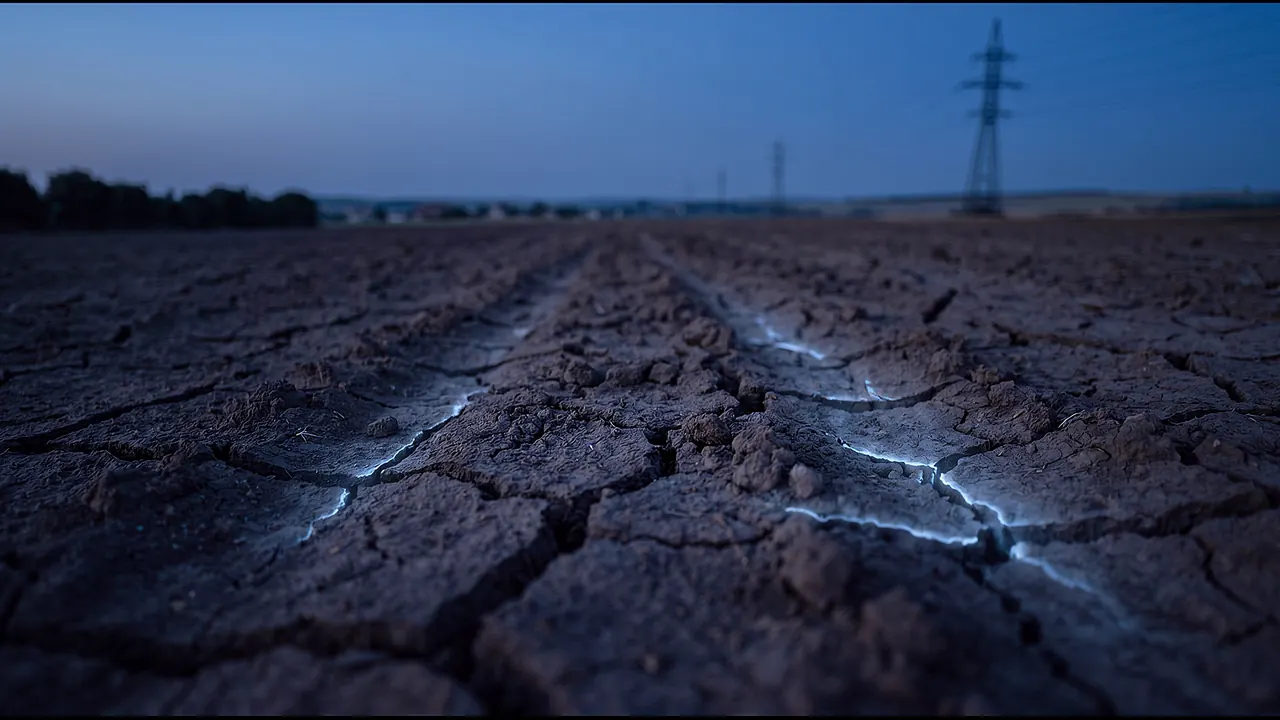
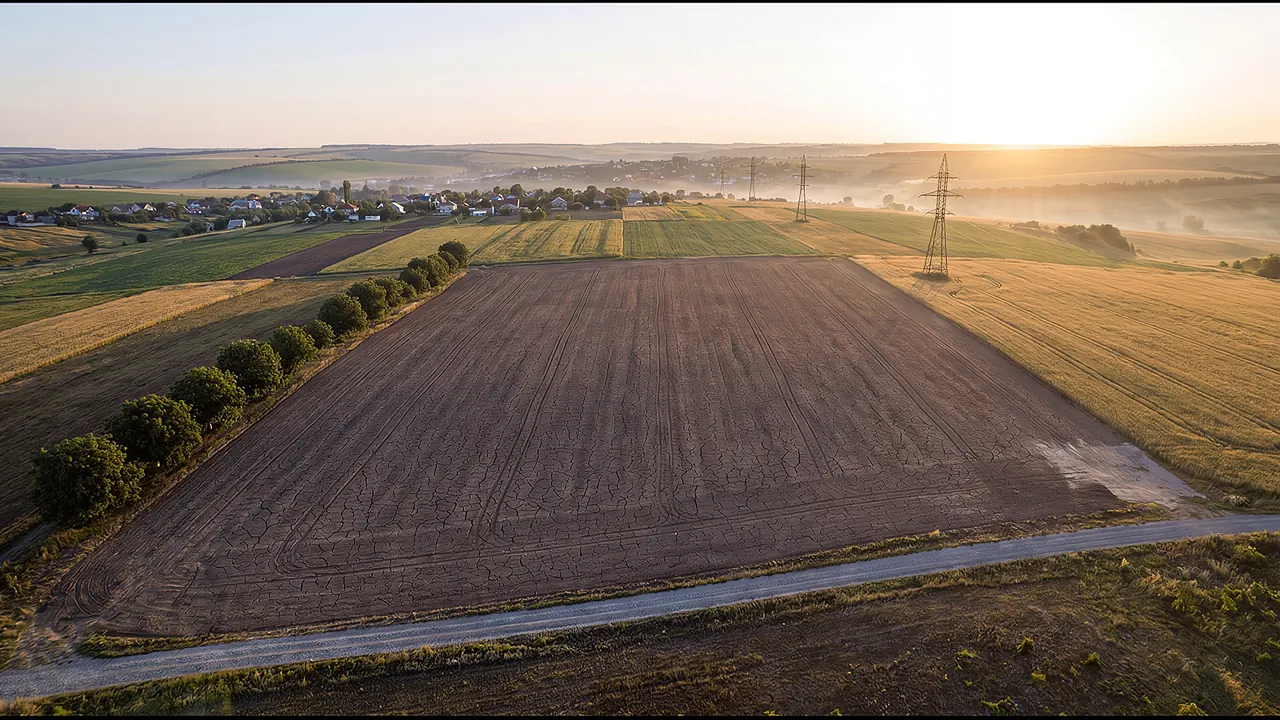
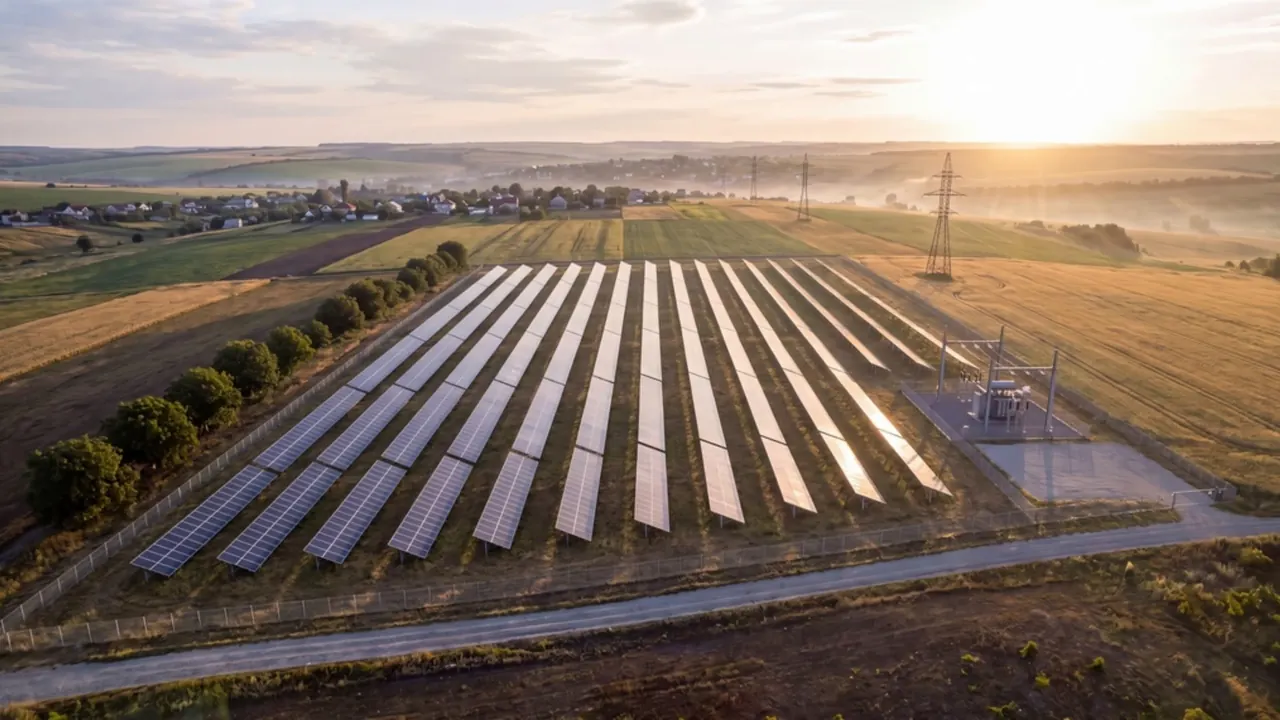
Every hectare can become a power plant

Skip

Turnkey hybrid PV + BESS plants

We design, build and connect solar parks with energy storage in Moldova.

We start with the land and the grid

01 · Site

Before the first pile goes in we check four things: terrain and soil, irradiation, the grid connection point, land status and permits.

  • Terrain and soil

    Topographic and geotechnical surveys set the pile spacing, cable routes and drainage.

  • Solar irradiation

    We model yield from multi-year data for the exact location, including terrain shading.

  • Grid connection point

    We find the nearest substation with spare capacity and assess a 10/35/110 kV connection.

  • Land status and permits

    We check the land category, ownership or lease rights and the path to permits.

Turnkey PV: design, procurement, construction, commissioning

02 · Solar park

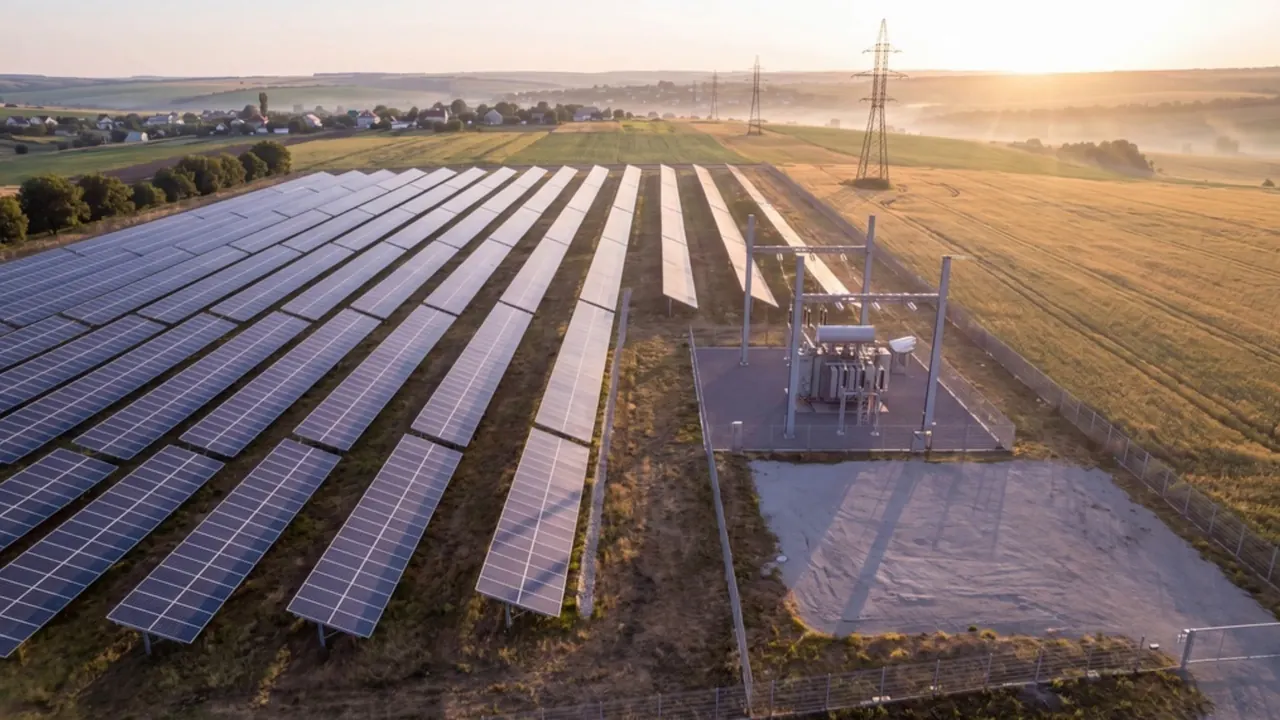
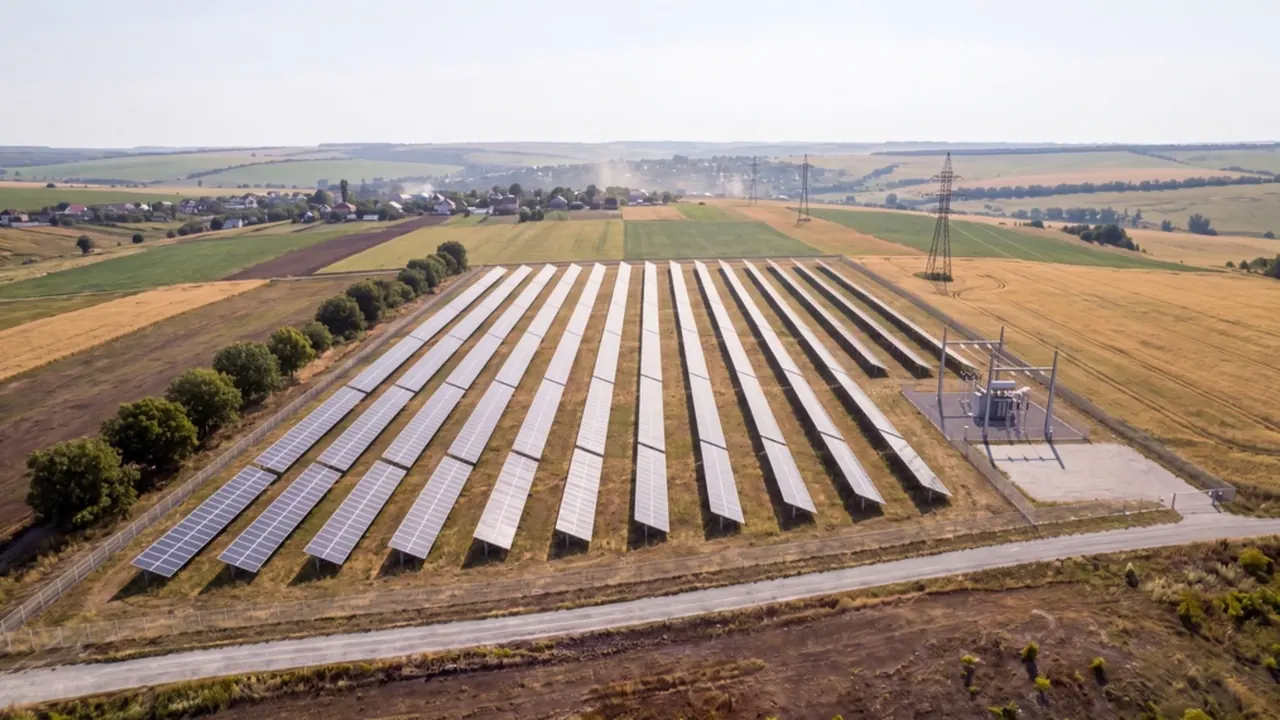
Piles in a wave, trackers, modules row by row. One team and one contract from design to first power.

  • ≈50ha

    site

  • ≈27MWp

    installed capacity

  • ≈41,500

    650 W modules

Example configuration for a site of about 50 ha

Inverters, substation, 10/35/110 kV connection

03 · Grid connection

We handle the approvals with the grid operator.

  1. PV fielddirect current
  2. InvertersDC → AC
  3. Transformer0.8 → 10/35 kV
  4. Substation35/110 kV
  5. GridMoldelectrica / DSO

By day there is too much energy

04 · The midday paradox

583 MW (56%) of renewable capacity operates on the free market without state support and is exposed to the midday surplus; in spring and summer the average daytime price on OPCOM falls to €0–25/MWh. WatchDog.md, 2026 ↗

0006121824
PV outputDemandMidday surplusIllustrative

We keep noon for the evening

05 · Storage

According to the Ministry of Energy, at least 600 MW of storage is needed; about 150 MW is installed. WatchDog.md, 2026 ↗

Chemistry
LFP (lithium iron phosphate)
Duration
2–4 hours
Cooling
liquid
Mode
grid-forming

In the evening the plant keeps selling

06 · Sunset

Moldova’s day-ahead market has run since December 2025; the record is 542 MWh for 2 July 2026 at an average price of €99/MWh. OPCOM, 01.07.2026 ↗

0006121824low price — chargehigh price — sell
BESS state of chargeDay-ahead priceIllustrative

One connection — several revenue streams

07 · How it works

Day-ahead arbitrage, fewer imbalances, less curtailment, backup for your own site.

Arbitrage & aggregation

Choose a node

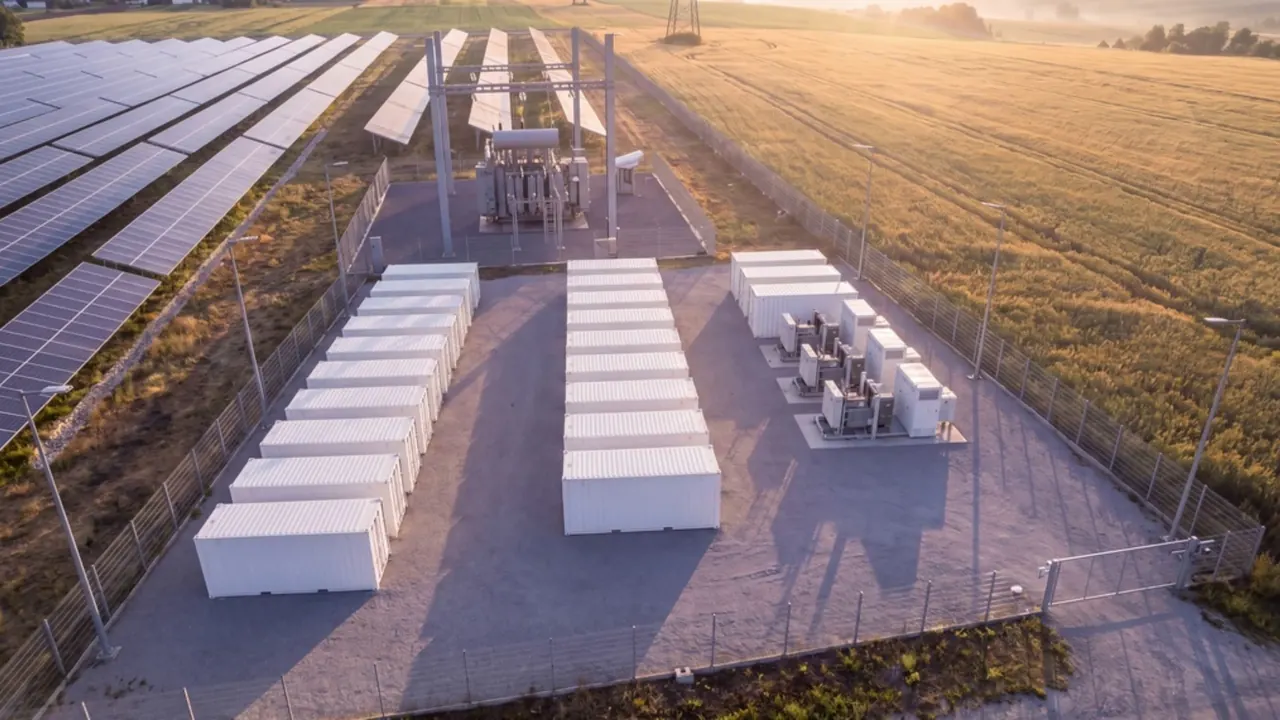
The BESS has its own PCS and ties into the AC bus: flexible and easy to add to an existing plant.

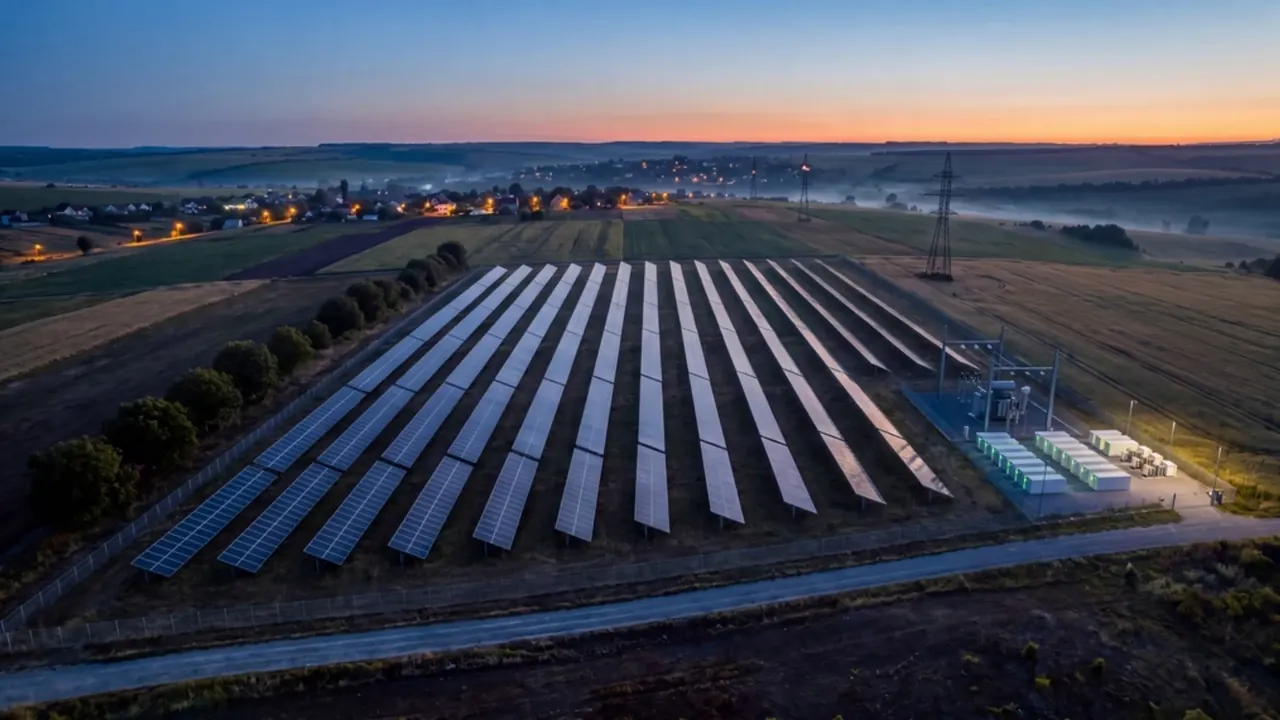
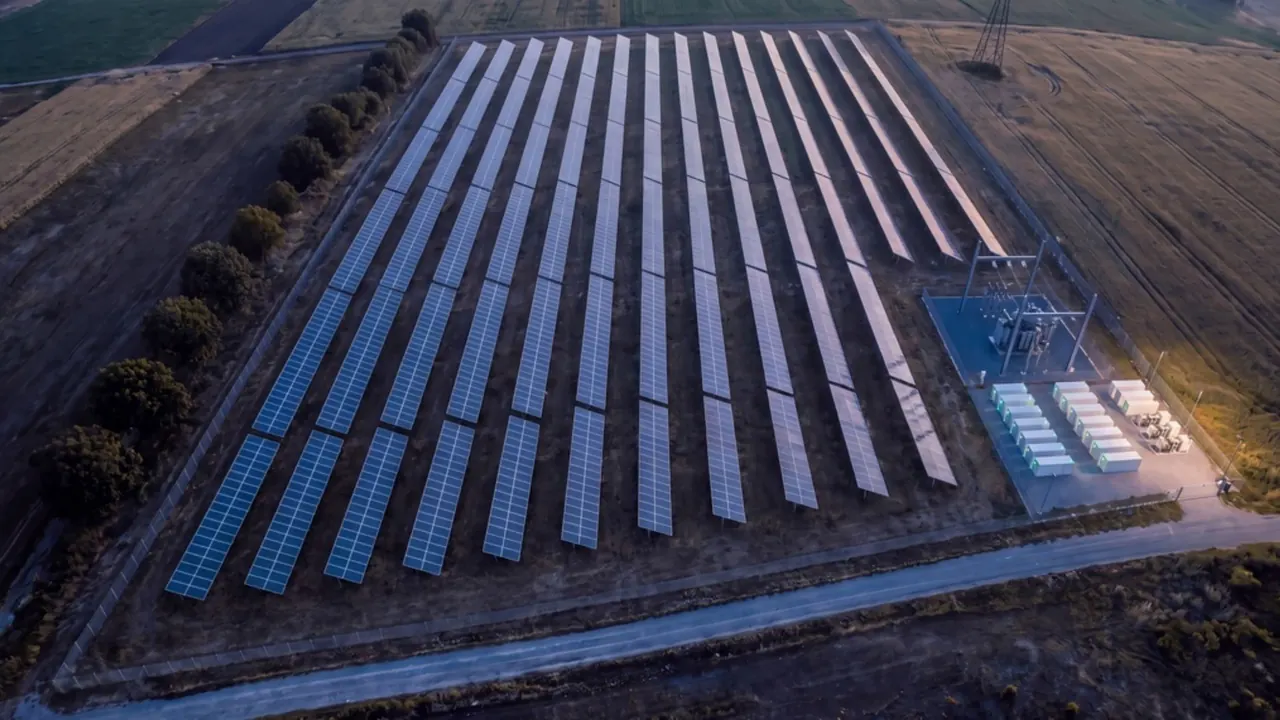
We build hybrid plants that sell power by day and by night: a solar park, a storage system and a single grid connection.

01How we build

From a site to first power

  1. 01

    Site audit

    Topography, geology, irradiation, land status.

  2. 02

    Configuration and model

    PV capacity, BESS, revenues, market scenarios.

  3. 03

    Permits and connection

    Approvals, grid connection approval, work with the operator.

  4. 04

    Design and procurement

    Detailed design, bankable equipment, deliveries.

  5. 05

    Construction

    Piles, trackers, modules, cables, BESS, substation.

  6. 06

    Commissioning

    Tests, energisation, handover, training.

02Ways to work

Choose how much we take on

03Projects

Plants we have built

04Hybrid plants in brief

What a hybrid PV + BESS plant is

A hybrid plant combines a solar park and a battery energy storage system (BESS) behind a single grid connection. The panels produce at noon; the batteries keep part of that energy and deliver it in the evening, when demand and prices rise. For the grid the plant becomes a more predictable source; for the owner, a business with several revenue streams.

In Moldova this set-up is especially timely. 583 MW — 56% of renewable capacity — operates on the free market, and in spring and summer the average daytime price falls to €0–25/MWh (WatchDog, 2026). The Ministry of Energy estimates that at least 600 MW of storage is needed, against about 150 MW installed. Storage turns the midday surplus into evening energy.

What turnkey EPC covers

Pre-development: site, grid, model

We start with an audit: terrain and soils, multi-year irradiation data, land status and the distance to the nearest substation with spare capacity. The result is a first configuration — PV capacity, BESS size, connection scheme — and a revenue model across several market scenarios.

Permits and grid connection

We prepare the design documents, obtain the approvals and agree the connection terms at 10, 35 or 110 kV with the grid operator. This stage often sets the overall schedule, so we start it as early as possible.

Procurement

We select modules, trackers, inverters and BESS from bankable manufacturers — with warranties, certification and track records that banks accept. Supply contracts follow the construction schedule.

Construction and commissioning

Piles, trackers, modules, cabling, BESS containers and the substation are built by one team. Then come tests, energisation and handover with full documentation and staff training.

Choosing the BESS configuration

The key parameters are power (MW) and energy (MWh). Shifting energy from noon to the evening usually takes 2–4 hours of storage. The architecture matters too: AC-coupled batteries have their own converter and are easy to add to an existing plant; DC-coupled systems send surplus PV to the batteries without double conversion. Grid-forming converters let the battery support grid voltage and frequency — something operators ask for more and more.

Where the revenue comes from

  • Day-ahead arbitrage. Moldova’s day-ahead market has run since December 2025; the battery charges when power is cheap and sells in expensive hours.
  • Fewer imbalances. The single imbalance price turns a forecast error into a direct cost; the battery covers deviations.
  • Arbitrage and aggregation. The battery sells power in expensive hours, and in a portfolio with other assets deviations go down. See arbitrage and aggregation. A BESS can join the balancing market through a registered balancing service provider (BSP / FSE).
  • Less curtailment. Energy that would otherwise be cut at noon goes into the batteries.

BESS safety

We use thermally stable LFP (lithium iron phosphate) chemistry, liquid-cooled containers, fire detection and suppression, separation distances and fire lanes. Equipment is tested to UL 9540A, IEC 62933 and NFPA 855. More on the Technology & partners page.

Operation

After start-up we can take over maintenance, SCADA and EMS monitoring, battery dispatch on the market and monthly reports. For plants already in operation we offer a BESS retrofit.

05FAQ

How long does it take to build a hybrid plant?

It depends on capacity and the grid connection. Construction itself takes months, not years: the country’s largest park, 50 MW at Rădeni, was built in 8 months. Permits and connection can take longer; we give an exact schedule after the site audit.

Which permits are needed?

Typically: proof of land rights and land use, planning documents and a building permit, and the grid connection approval (aviz de racordare) from the grid operator. The exact list depends on the site; we check it during the audit.

Can I take part in renewable auctions?

Some projects sell at a fixed price after state auctions, others on the free market. Storage adds value in both cases. We check each auction’s terms against the official documentation.

How can the project be financed?

With own funds, bank project finance or co-investment. We prepare the financial model and choose bankable equipment so the project passes the bank’s review.

How safe are BESS?

We use LFP chemistry, liquid-cooled containers, fire detection and suppression, and fire lanes. Equipment is tested to UL 9540A, IEC 62933 and NFPA 855.

How many hours of storage do I need?

Usually 2–4 hours. Less for smoothing output and covering deviations, more to shift midday energy into the evening peak. We size it on the revenue model.

Can I add a BESS to an existing plant?

Yes — that is a BESS retrofit. We check the connection capacity, space next to the substation and how you sell, then propose the right scheme.

What do AC- and DC-coupling mean?

AC-coupled: the battery has its own converter and ties into the AC bus — flexible and well suited to retrofits. DC-coupled: the battery ties into the DC side of the inverters — fewer conversions, surplus PV goes straight into the batteries.

Who runs the plant after start-up?

You can run it yourself or give it to us under EPC + O&M: maintenance, SCADA monitoring, BESS dispatch on the market and monthly reports.

06Your site

Tell us about your site — we will come back with a first configuration

Land status

Permits

Grid connection approval (aviz de racordare)